The Political Context of Climate Science

This article explores the major political factors that have strongly influenced the science of climate change.
A Vein of Gold – in the Thought of Ambedkar (part 3)

Ambedkar died just seven weeks after converting to Buddhism. How might his understanding of it have developed had he lived longer? This article offers some suggestions towards a possible answer.
A Vein of Gold – in the Thought of Ambedkar (part 2)
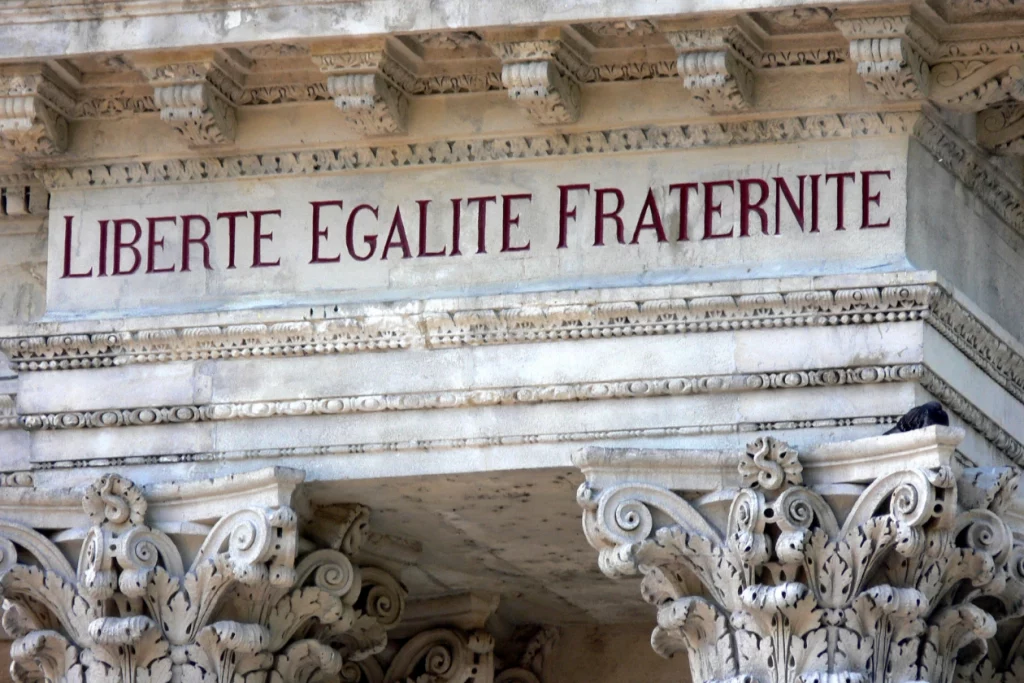
Liberty, equality and fraternity were Ambedkar’s central socio-political ideals. Here, we explore how he increasingly understood them from a Buddhist point of view.
A Vein of Gold – in the Thought of Ambedkar (part 1)
Dr Ambedkar is of great historical significance, but his thought is also worthy of attention. This article lays the ground for a distinctive exploration of some of his deepest ideas.
Climate Science Consensus?

An investigation into how climate science has been harmed since the early days of the hypothesis of dangerous anthropogenic global warming.
The Logic of Anattā and Other Aspects of Wisdom

Explores Sangharakshita’s account of the final stage of the Threefold Way, including his familiarity with formal logic and his use of it to explain the doctrine of anattā.
The Two Trends of Dependent Arising

A further exploration of one of Sangharakshita’s signature teachings: the cyclical and progressive modes in which the law of dependent arising operates.
The Capture of Climate Science

Advayacitta explores the nature of the IPCC and the quality of its reports.
The Profane Impertinence of the Orientalists

The way Buddhism has been generally understood in the West has been strongly shaped by the rationalist tendencies of certain nineteenth century scholars. This article explores Sangharakshita’s critique of these ‘Orientalists’, and how it is still relevant to us today.
Celebrating three years of Apramada

Over three years ago, a group of friends and I came together with the aspiration of launching an online periodical — the very one you are reading now. What was on our minds? What inspired the project?
Health Psychology

In this short reflection Advayacitta looks at the importance of psychology in caring for people who are physically ill.
One Gigantic Sweep: Science in the Survey and Beyond

A multi-faceted exploration of Sangharakshita’s understanding of the relationship between Buddhism and science, especially his attempts to contain them both within a single unifying vision of existence.
A Buddhist Utopia

The second in a series exploring what the Buddha said about society. In this one we look in detail about how, according to the Buddha, an empire should be ruled.
The Perils of Projection

In the second of a series of short reflections on his work as a clinical psychologist, Advayacitta considers the process of projection.
The Buddha’s Advice to the Vajjika League
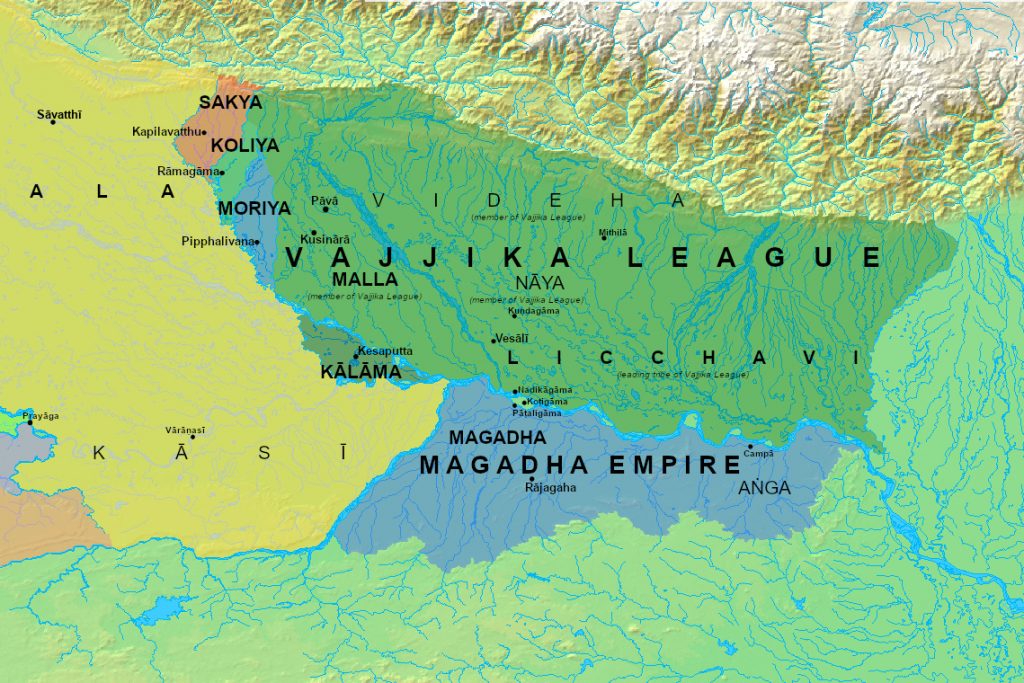
A commentary on the seven principles the Buddha gave to the Vajjika League, saying that, if followed, would prevent its decline and assure its growth and prosperity.
Ethical Beauty
Urgyen Sangharakshita explores the idea that ethical actions are not only good, but also beautiful, and so consequently, an ethical life is a beautiful life.
The Burden of Guilt

In this, the first in a series of short reflections on his work as a clinical psychologist, Advayacitta considers the phenomenon of irrational guilt
The Cancellation of Reason

An exploration of the principles of an authentic social justice movement, beginning with the need for the exercise of reason and an agreement between narrative and fact.
Climate of Fear

Advayacitta begins to explore the history of climate change politics. He investigates the cultural context within which preoccupation with global warming developed. It was a context notable for its intense fear of disasters.
A Circle that Cannot be Squared

When a tyrannous regime invades a peaceful country, what is the most ethical course of action for the rulers of that country? Ratnaguna reflects on the moral dilemma such a situation would present to Buddhists.
The Woke Industrial Complex

Chapter 13 of The Destructivists by William Collins, in which he explains why ‘Wokeism’ has become dominant in all centres of power and authority.
No Comparison: Dr Ambedkar and ‘Social Justice’
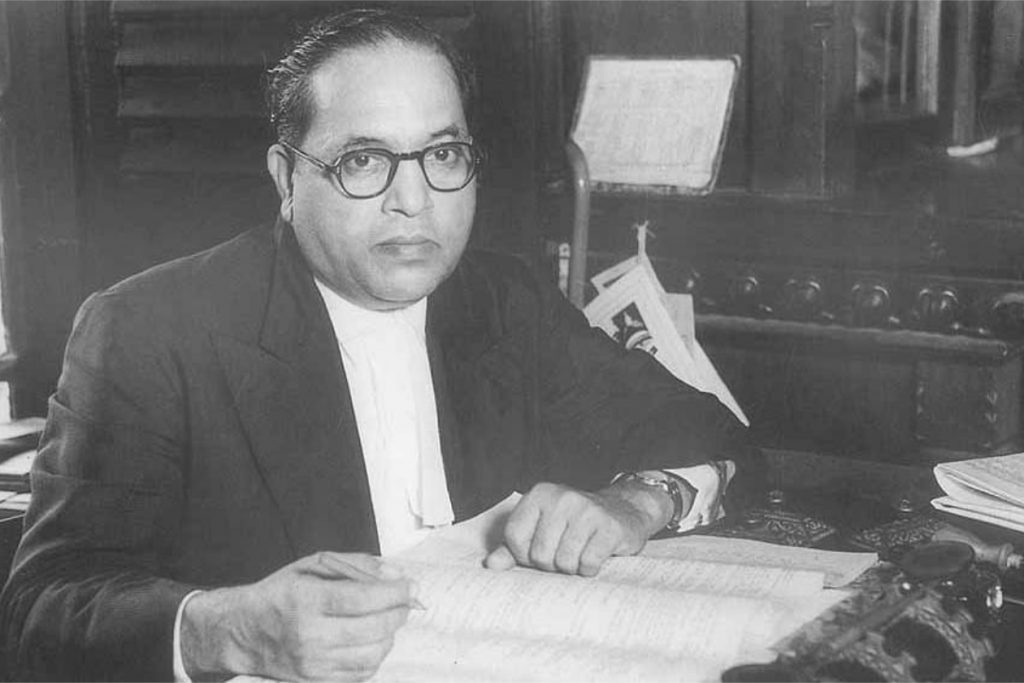
Dr Ambedkar was a unique figure in world history. Buddhists seeking to promote ‘Social Justice’ causes have been known to cite him as a precedent. But is this justified? Vidyaruchi investigates.
The Appeal of Moral Usurpation to the Elites

Chapter 10 of The Destructivists by William Collins, in which he explains why the ‘elites’ – the privileged, the established, the influential, the powerful – have most to gain from the imposed Moral Infantilism of society.
Apramāda’s Second Anniversary

A message from the editorial board on the occasion of Apramada’s second anniversary, explaining something of what motivated us to start a new online publication, and what we hope to achieve.
A Short History of ‘Social Justice’

Calls for ‘Social Justice’ seem to be getting shriller, and the demands made in its name stranger. Vidyaruchi explains what the terms have come to mean, where the ideas underlying their current use originated, and why they are so dangerous.
On Taking, and Not Taking, Offence

Ratnaguna discusses the rise of offence-taking in our culture and argues that, just because someone gives offence, doesn’t mean you have to take it.
On Gratitude

An extract from Nagapriya’s book The Promise of a Sacred World, in which he argues that cultivating a sense of gratitude for all we’ve received is transformative.
The Middle Path and its Three Modalities

The Middle Path is one of the most fundamental doctrines of Buddhism. In a particularly brilliant passage from A Survey of Buddhism, Sangharakshita identifies three ‘modalities’ through which it operates. Here, Vidyaruchi explores these deep ideas.
Why I Cooled on Global Warming

In this article Advayacitta describes the process of how he came to alter his opinion about climate change.
Moral Infantilism

Chapter 7 of The Destructivists by William Collins, in which he explains how supposed moral rectitude functions as a form of power.
Spiritual Friendship and Solitude
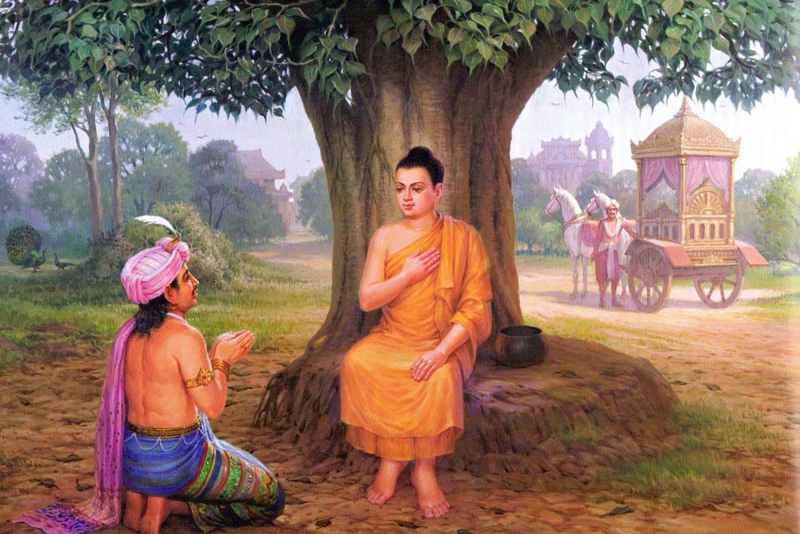
Another in our series Thus Have I Heard: Brief Essays on Buddhism, this one explores an apparent contradiction in the Buddha’s teaching
A Racial Reckoning

Many people, including some Buddhists, now believe that black lives are ‘systematically and intentionally targeted for demise’ by the police. In the second instalment of ‘An Immoral Panic’, Subhamati examines the evidence.
Our Parlous Society

Chapter 2 of The Destructivists by William Collins, in which he ascribes the divisions in our society to a form of moral corruption which must be countered in moral terms.
Taking Liberties

Advayacitta explores how decision making in health care has been increasingly taken away from clinicians and their patients, and replaced by authoritarian control by governments and bureaucracies.
Spiritual Communities and the World

Ratnaguna explains what a spiritual community is and is not, and makes a case for spiritual communities changing the world for the better.
The Impartite Dharma and its Doubleness of Aspect

An exploration of the crucial twofold distinction of the Dharma into doctrine and method, as found in A Survey of Buddhism and Sangharakshita’s later thought.
A Good Heart is not Enough – part 3

The concluding part of the series on wise policymaking introduces the fifth principle: ‘hone your truth-seeking ability’. This far-reaching and challenging principle includes some concrete suggestions as to how policymakers can free themselves of groupthink
Gotama, Mole, and the Wild Wood

Another in the series Thus Have I heard, about facing danger, and how we should resist attempts from our risk averse culture to shield us from it.
A Good Heart is not Enough – part 2

Policy creation is an important activity, rich with possibilities for beneficial action. But how to bring a clear head, as well as a good heart? This second part introduces two further principles of wise policymaking.
A Good Heart is not Enough – part 1

Wise policymaking is a beneficial activity for the world, and hence can be a spiritual practice for leaders of faith communities. But how to bring a wise head, as well as a loving heart?
The Aesthetic Moment

In this second article based on his celebrated ‘Eros and Beauty’ talks, Subhuti examines the nature of aesthetic experience using the language of ‘imagination’.
The Buddha’s Reasons for Being Ethical

This is the second in our series Thus Have I Heard: Brief Essays on Buddhism. We aim to keep them short enough to be read in five minutes or less. This one is 4 minutes of unadulterated Dharma.
A Binocular View of Reality

An examination of Sangharakshita’s teaching on the progressive trend within reality, especially as regards its implications for the doctrinal unity of the Buddhist tradition.
An Inward Grace

In Part Two of this series, Subhamati takes a closer look at Stephen Batchelor’s Tricycle article on Brexit, and asks whether it inadvertently reveals a significant weakness in the way Western Buddhists think about political matters.
One Year of Apramāda

Apramāda is now one year old. In this editorial, Ratnaguna marks the occasion by discussing why loyalty to the notion of objective truth is crucial for the health of society
The Ascent of Beauty
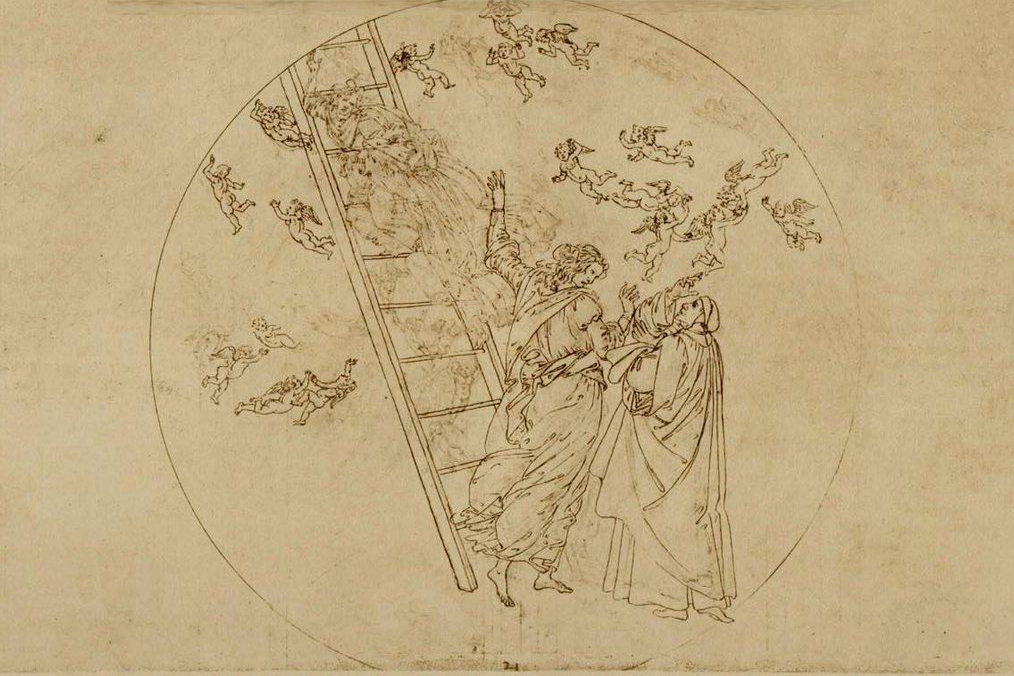
In this first of two articles based on his celebrated ‘Eros and Beauty’ talks given in 2014, Subhuti explores the pursuit of beauty as a spiritual path.
Reactionary White Buddhists?

An American professor of religion and culture has recently published an article in which she accuses Apramāda of trying to ‘delegitimize and derail racial justice work’. In this article Ratnaguna responds to her criticisms.
Contemplations on Dukkha
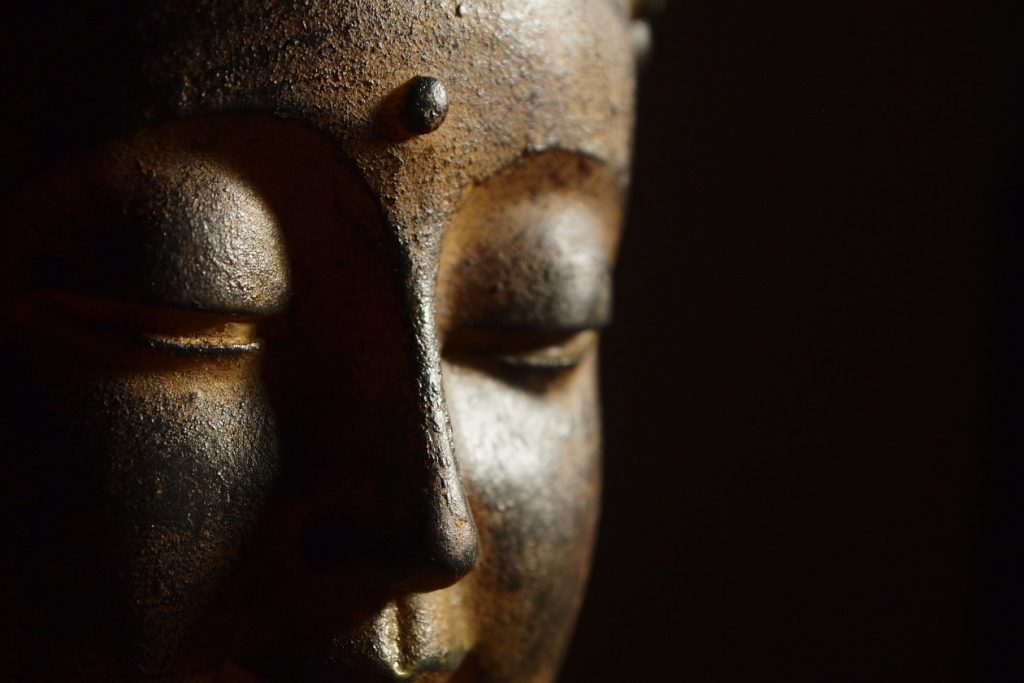
The Buddha brought his spiritual genius to two questions: what is the root of our suffering and how can it be quenched? This short article points us to the Buddha’s discoveries and his prescribed training scheme.
Was the Buddha an Antiracist?
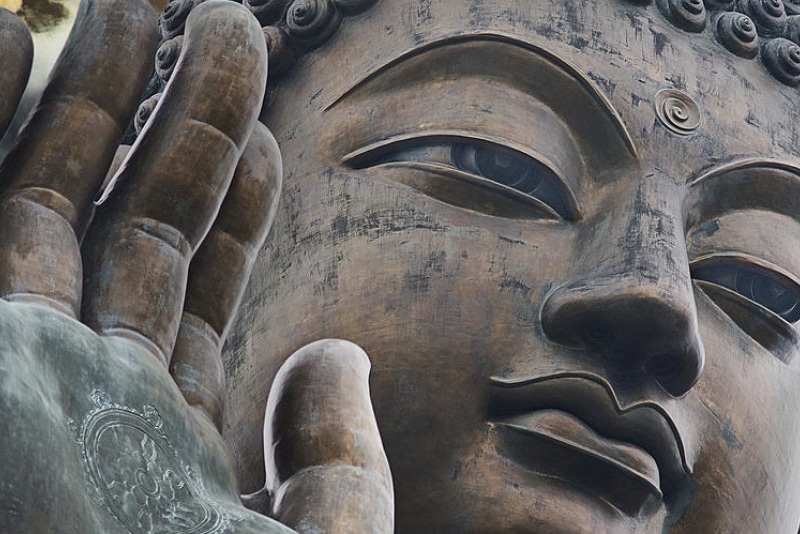
How should we define ‘racial equality’? Calls for equality of socio-economic outcomes between racial groups are getting louder. But how coherent are such demands? Or feasible? And what should Buddhists make of them?
Practising the Dharma in Adversity

Ratnaguna finds much to admire in Devamitra’s account of his diagnosis and treatment of prostate cancer. Inspiring, challenging, humorous, and thought-provoking, it’s well worth reading, regardless of your health condition or religion.
The Transcendental Principle and Dyads of the Understanding

In this first article in a series on Sangharakshita’s magnum opus, A Survey of Buddhism, Vidyaruchi offers a novel interpretation of some of the main ideas found in Chapter One of the book.
Individuals

Part 2 of the series Breaking Free of Tribalism and Becoming an Individual
The Heart’s Release by Love

This is the first in a new series we’re calling Thus Have I Heard: Brief Essays on Buddhism. They should be short enough to be read in five minutes or less!
Buddhism and Physics, Part Two

In this second article on Buddhism and physics, Advayacitta explores an important parallel between Relativity Theory and the Buddhist doctrine of śunyata.
An Immoral Panic
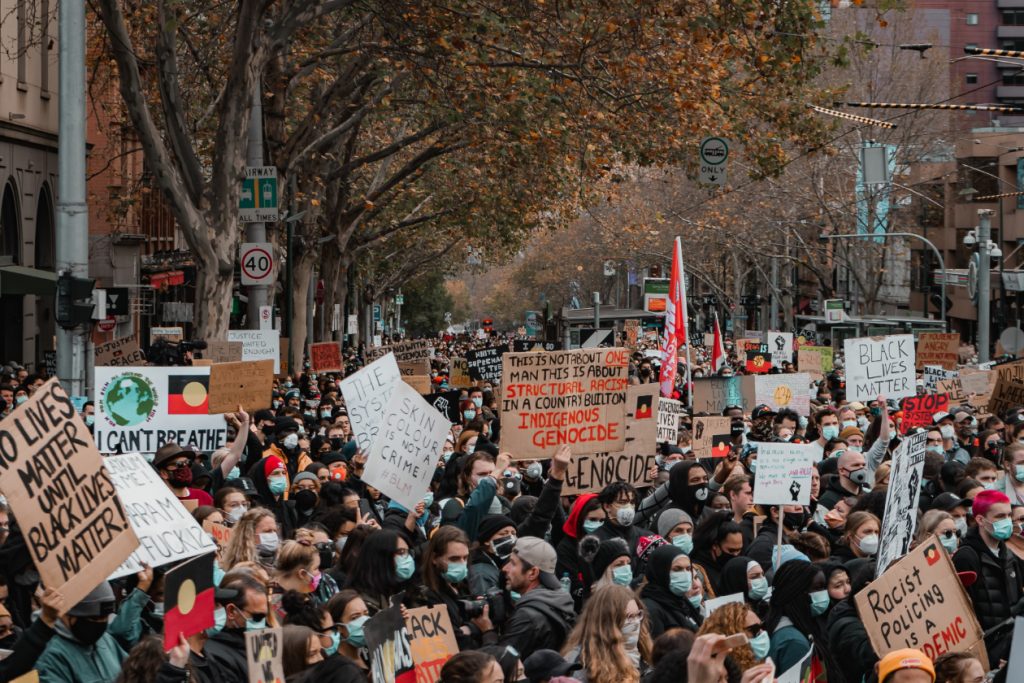
An investigation into truth, delusion, justice and race in the USA
A Burning House?

In ‘The Burning House’, a Buddhist shares his Dharma insights, promising practical resources for those moved to respond to a perceived climate emergency. This review explores the author’s depiction of the problem, and his solutions.
Tribes

The first of a 3 part series Breaking Free of Tribalism and Becoming an Individual. In this one Ratnaguna examines the nature of tribes.
Karl Popper and the Crisis of Liberalism

Vidyaruchi considers the limitations of Popper’s political thought, and argues that the liberalism that he espoused needs a framework of higher values such as is found in Buddhism.
Resisting the Tyranny of the Tribe

As unenlightened human beings, we all have predispositions – patterns of desire, perception and feeling – that often lead us astray and generate suffering. Whole societies can split into mutually unintelligible ‘tribes’, blind to one another’s pain or anger.
Politics as Cognitive Anti-Therapy

Advayacitta, a clinical psychologist, explores how political ideologies can undermine psychological functioning, thereby harming individuals and whole societies.
Conformists, Dissenters and Contrarians
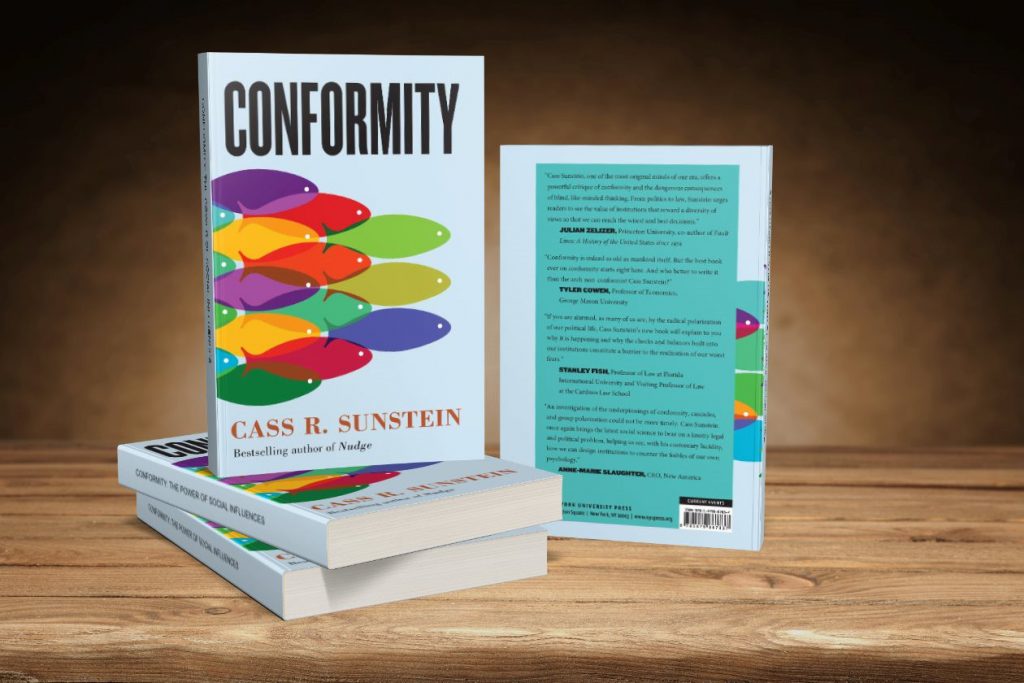
Cass Sunstein argues that groups, and society, need dissenters to prevent them from making bad decisions
Karl Popper vs The Laws of History
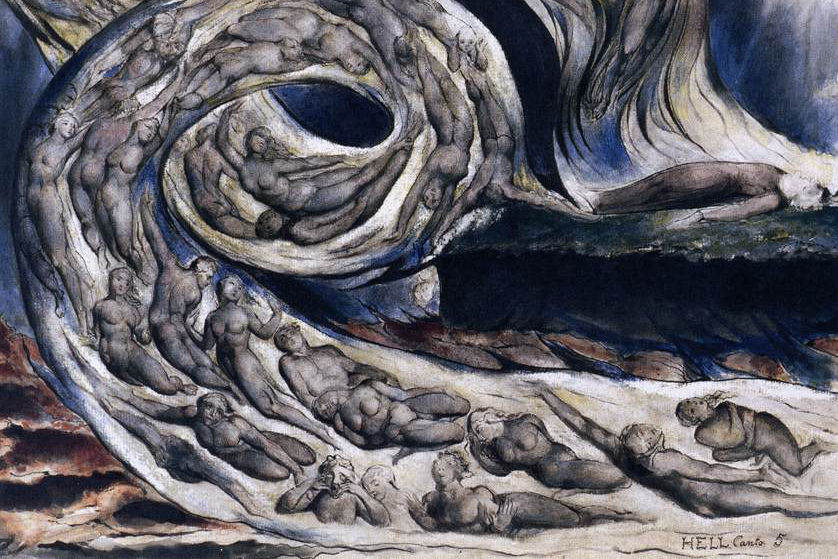
An account of Popper’s thinking on politics, including his critique of ‘historicism’, his demolition of Marxism, and his own theory of how to bring about social change.
Buddhism and Physics, Part One

In this article Advayacitta begins to explore interesting parallels between two core Buddhist principles, and modern physics.
Arguing with the Buddha Part Two
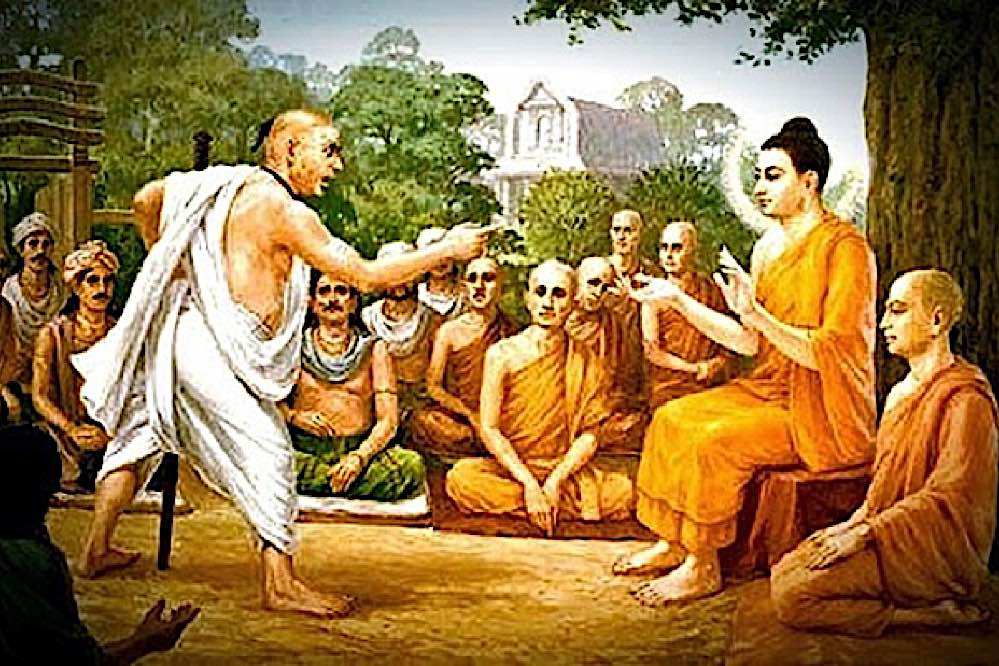
In this, the second part of the article, Ratnaguna continues to look at instances from the ancient texts of the Buddha debating, and draws out lessons we can learn from him.
Arguing with the Buddha Part One

The Buddha was well aware of the dangers and pitfalls of engaging in debates, and he had some interesting observations about how to conduct oneself in a discussion.
Karl Popper: A Buddhist Response
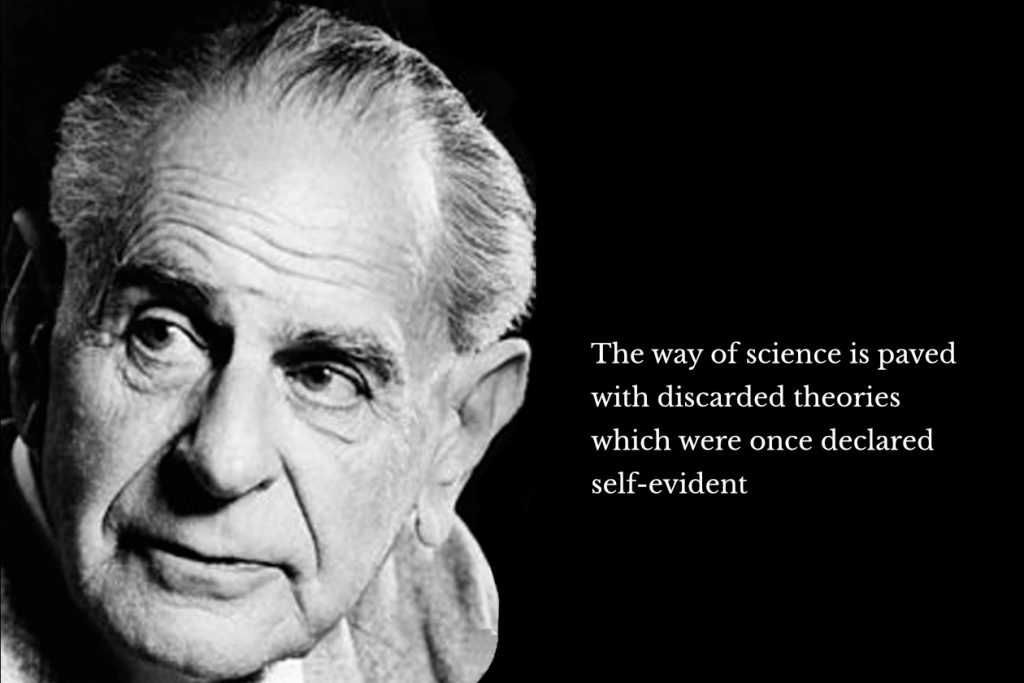
Karl Popper is arguably one of the foremost philosophers of the 20th century. Here, Vidyaruchi considers his theory of scientific method, and attempts to formulate a Buddhist response.
In Praise of Uncertainty

Ratnaguna discusses the vitally important questions of how can we really know anything, and how often are our opinions based on a lack of real knowledge?
Buddhism and Brexit

If you are a Buddhist, are you bound to be a Remainer? Many seem to think so, including one of Britain’s best-known writers on Buddhism. But why do they take a ‘tragic and prophetic’ view of Brexit?
What is Buddhism?
This article is intended for you if you have come to this website as someone who is curious about Buddhism but as yet knows little about it.
When you enter the temple, leave your politics at the door

Ratnaguna discusses the importance of Buddhists transcending political ideologies, and developing wisdom.