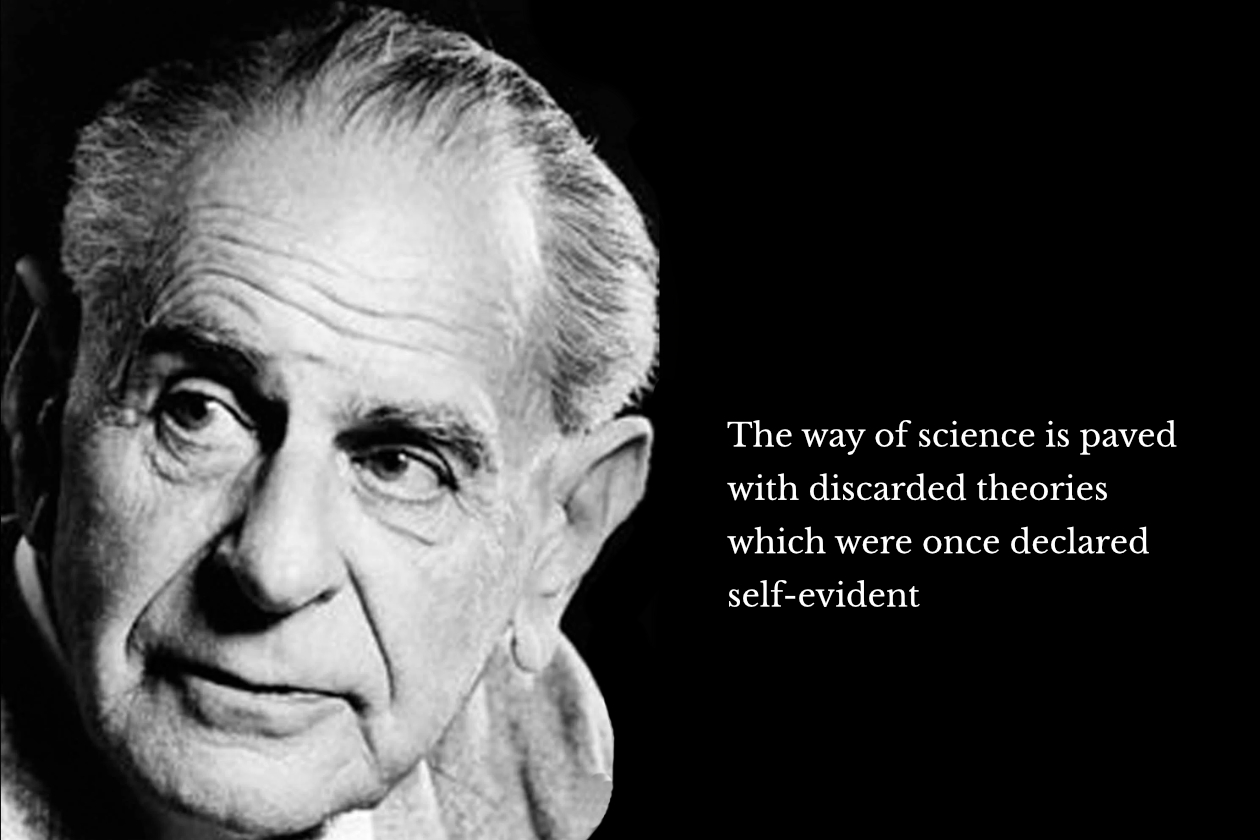
Karl Popper is arguably one of the foremost philosophers of the 20th century, and is considered one of the greatest philosophers of science in history. In this series, Vidyaruchi considers some of his main ideas from a Buddhist perspective. Part one outlines his central theory about how knowledge progresses, especially scientific knowledge, and attempts to formulate a Buddhist response. Part two deals with Popper’s application of this idea to political thought, including his trenchant criticisms of ‘historicism’ (the attempt to discover laws of history), his devastating dismantling of Marxism, and his own theory of how societies can progress. In part three Vidyaruchi argues that Popper’s rationalist liberalism is too limited an ideal, and needs to be contained within a framework of higher values such as is found in Buddhism.
Articles in the series are: